Beauty pop-ups are everywhere in Paris. Temporary, beautiful, and gone by Monday — but the impression they leave lasts much longer.
From window displays to immersive worlds
The pop-up has evolved far beyond a temporary shop. Today it is a full sensory experience — a brand’s universe condensed into a single room, or sometimes just a corner of a concept store. I have had the chance to visit several of these over the past months in Paris, and the contrast between those that truly captivate and those that fall flat has taught me more about brand communication than any marketing textbook.
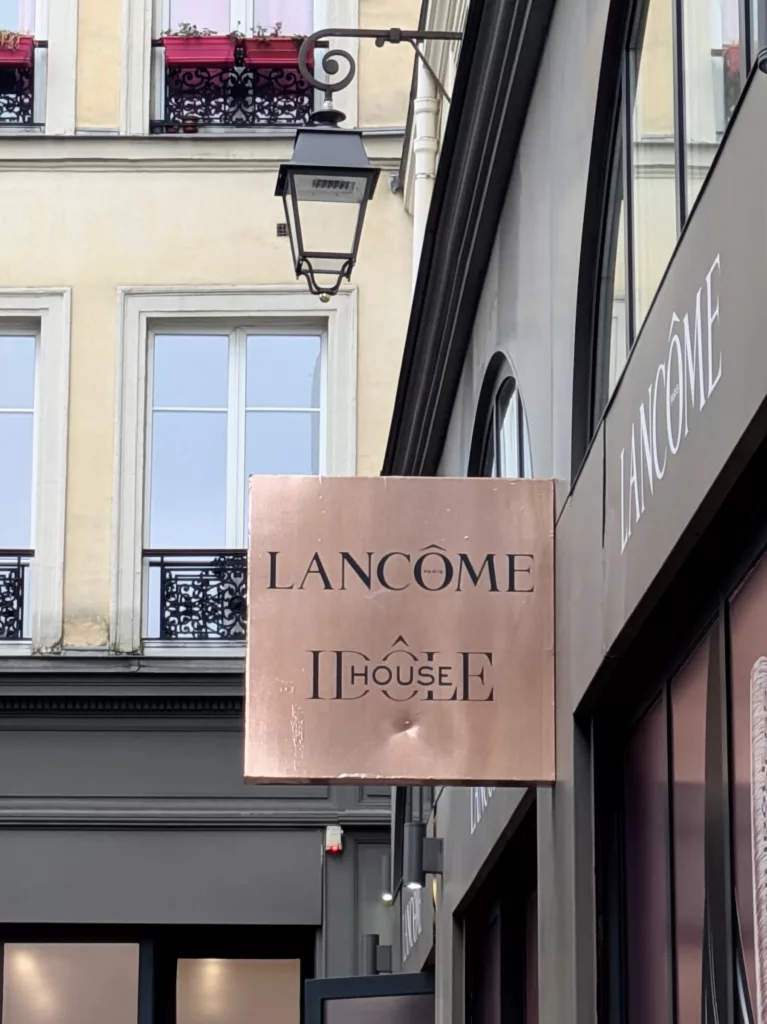
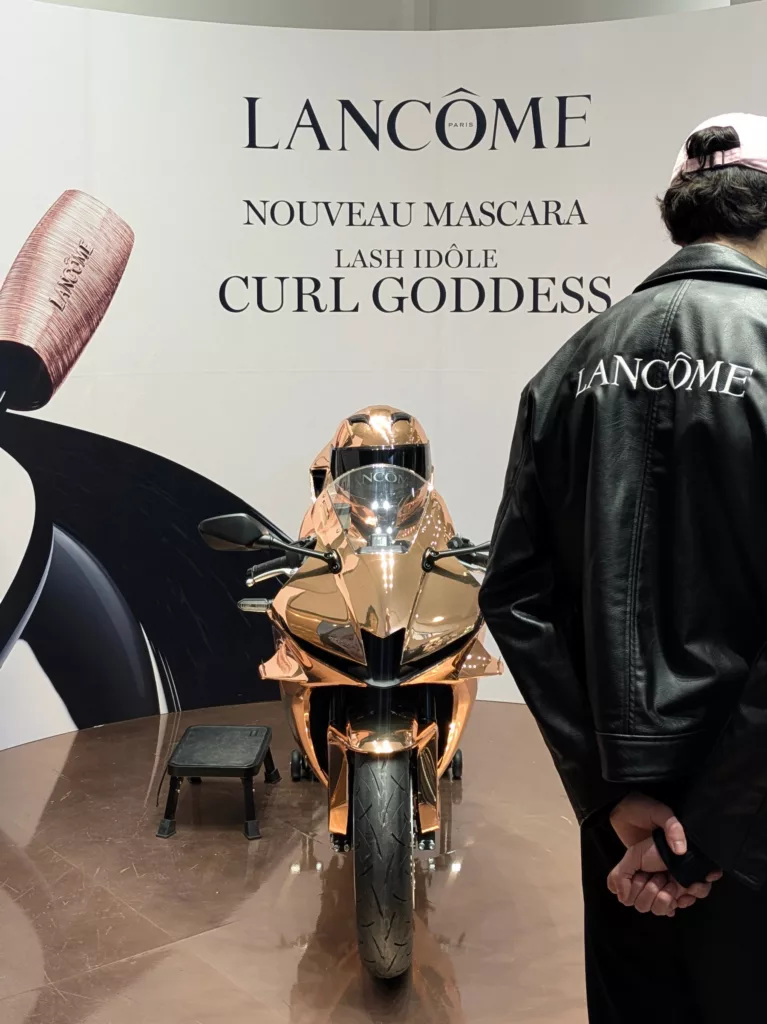
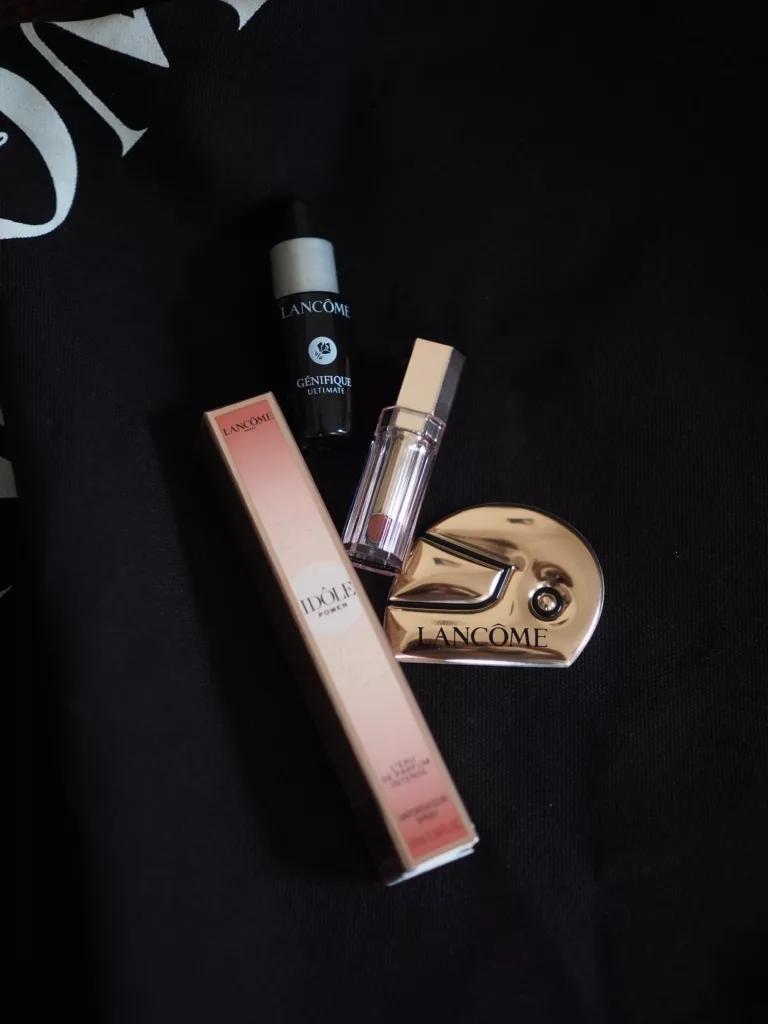
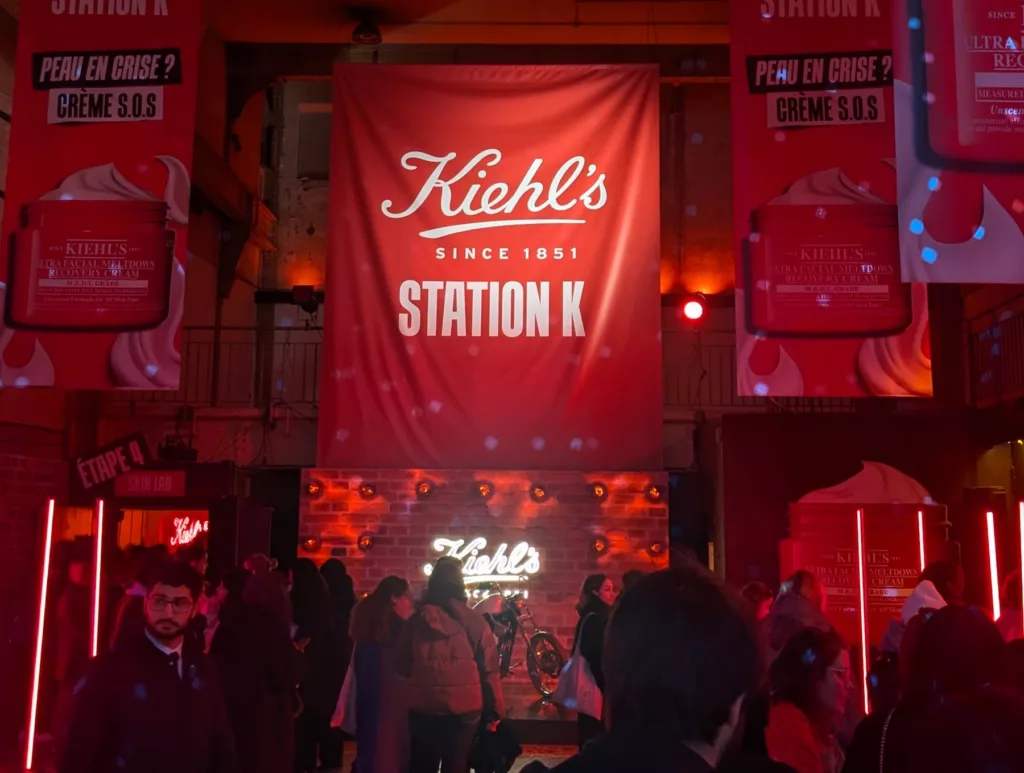
Lancôme’s Idôle House in Le Marais was a full beauty immersion — masterclasses, flash makeovers, and a gift bag of miniatures to take home. Kiehl’s Station K took an educational approach — true to its apothecary DNA, generous with samples. La Rosée felt warm and transparent, just like the brand itself.
Why it works: a memory, not a transaction
Yes, many people come for the free sample. But the brands that win understand what happens next — the next time that person stands at a beauty counter, they will remember how they felt. The pop-up is not a sales moment. It is a memory that surfaces exactly when it matters—and sometimes, that memory isn’t just about a product, but about who the brand thinks you are.
When a gift becomes a statement
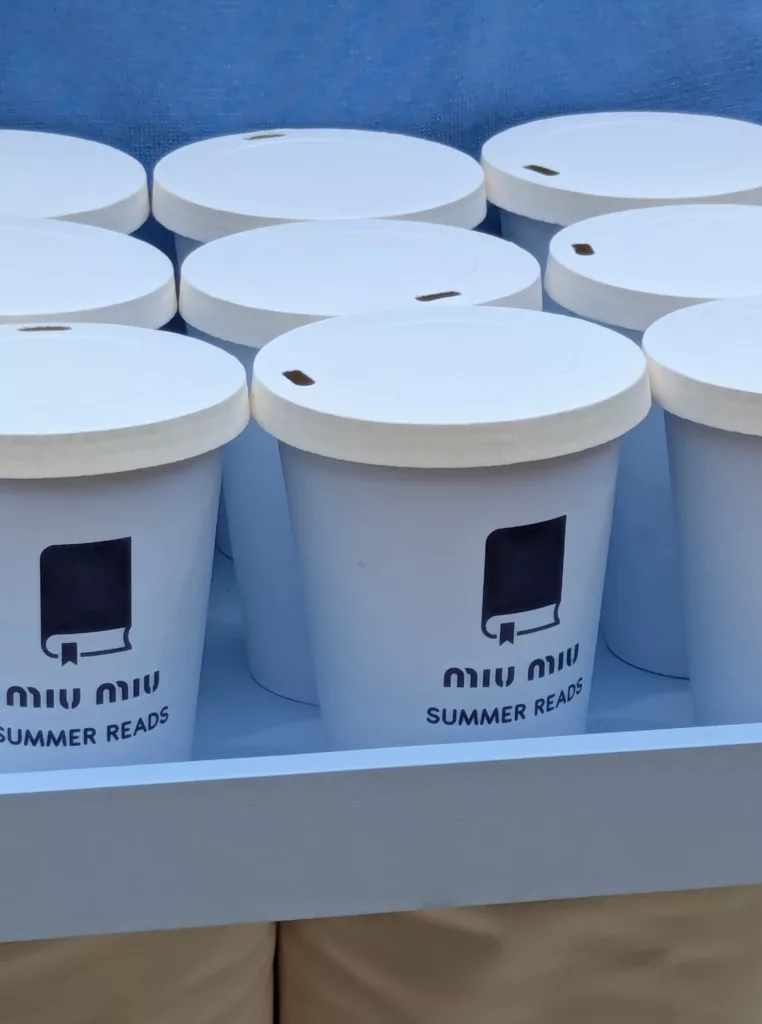
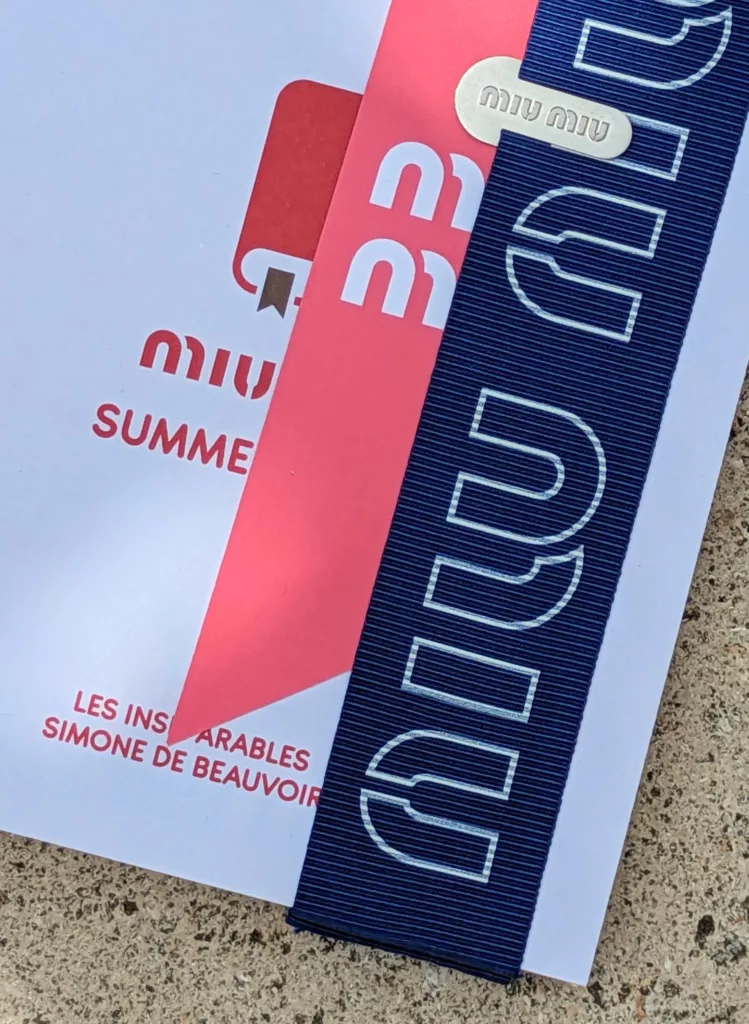
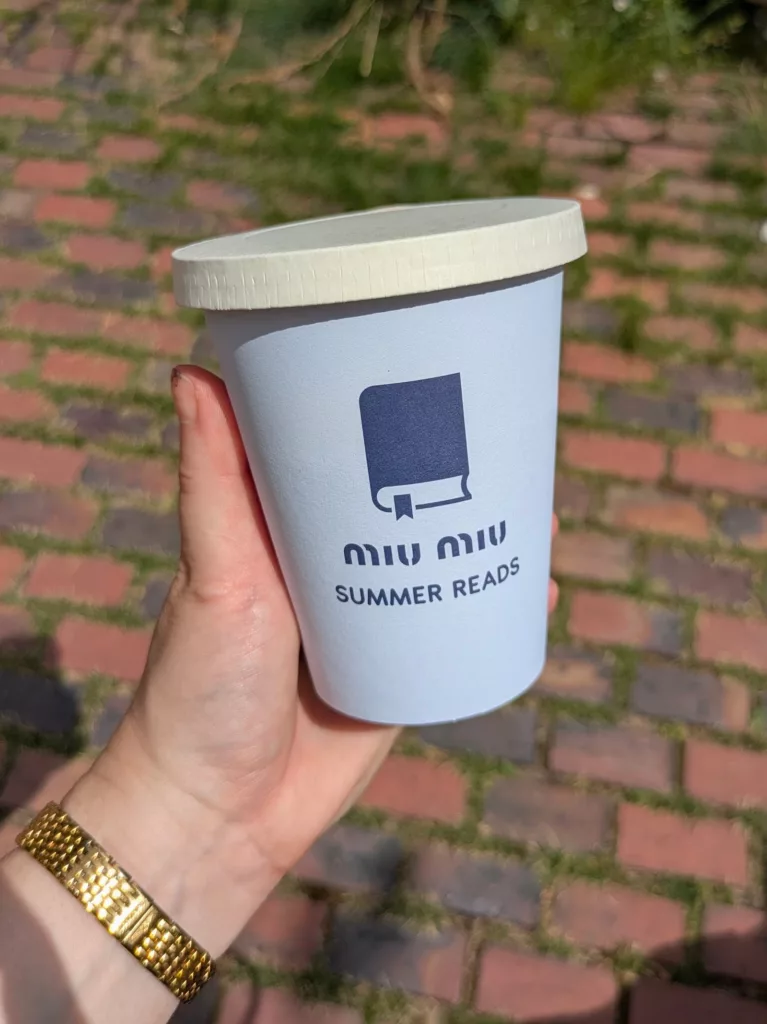
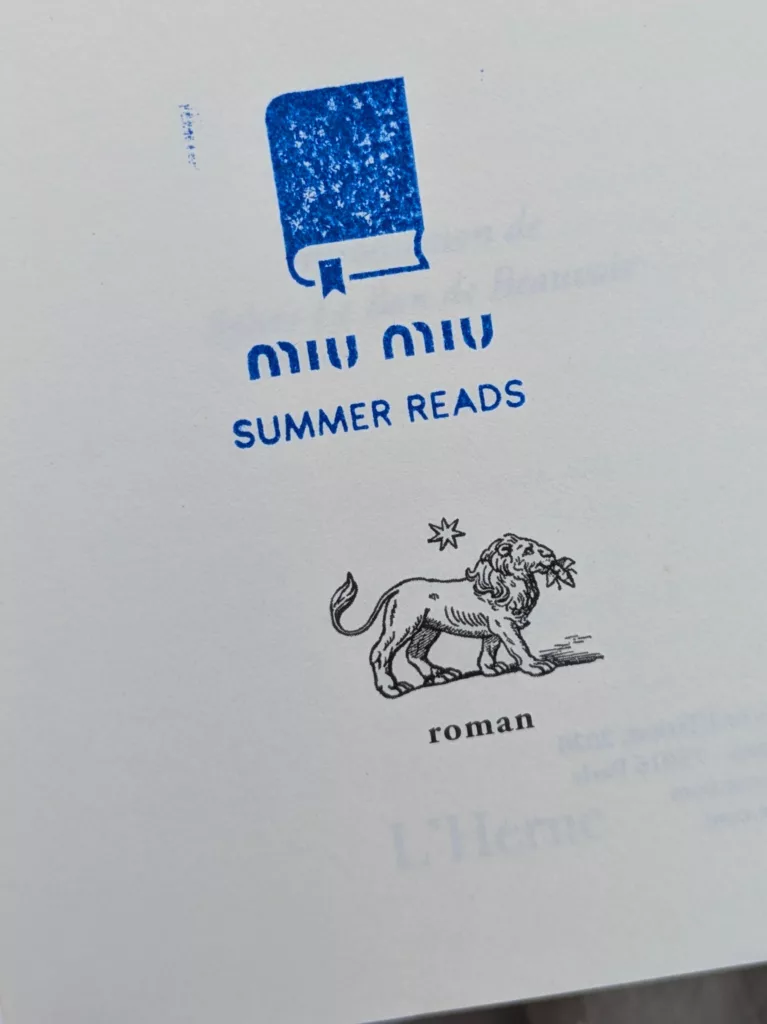
Take Miu Miu’s Summer Reads in Paris. Instead of samples, the Italian house gifted visitors novels by Simone de Beauvoir and Fumiko Enchi, each in an exclusive Miu Miu cover. A small gesture — but a precise one. It spoke directly to a specific woman: one who reads, who thinks, who values culture. That sense of being truly seen by a brand is worth more than any free product.
What kills the magic
Not every pop-up gets it right. After observing many of these activations up close, a few patterns become clear.
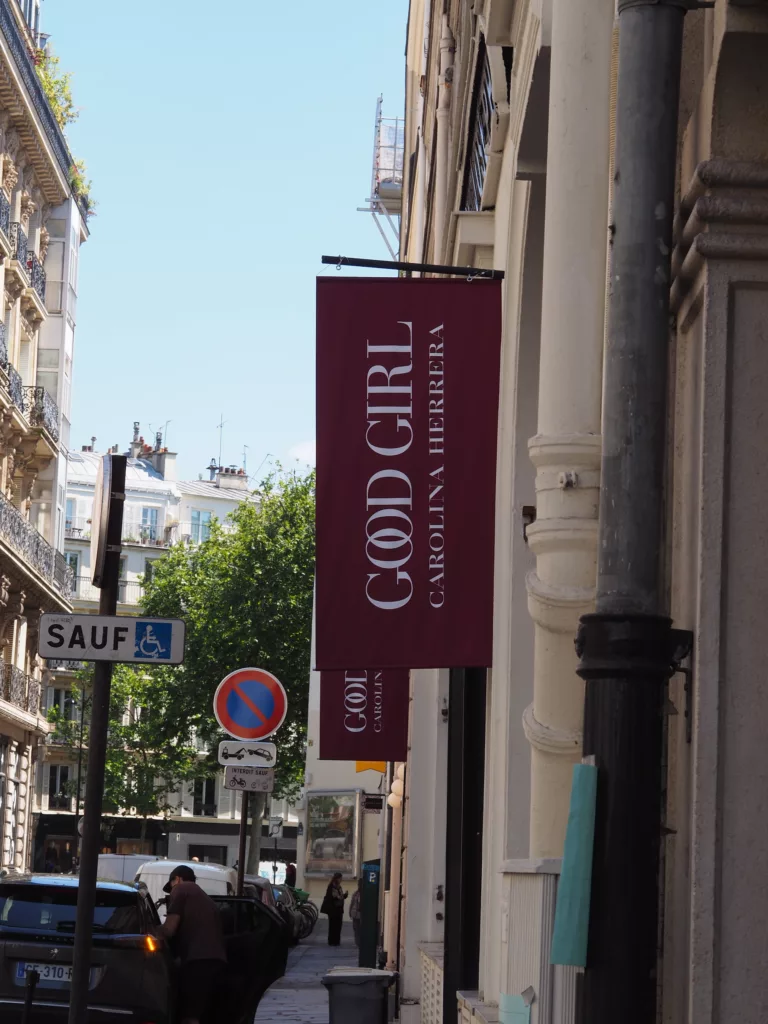
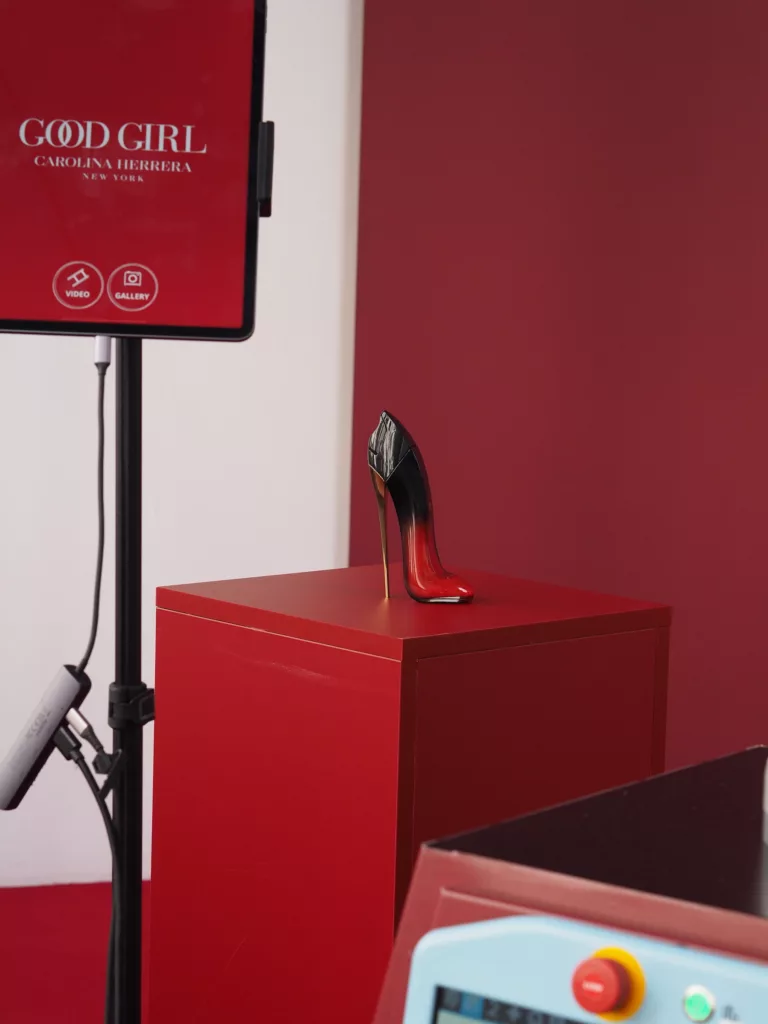
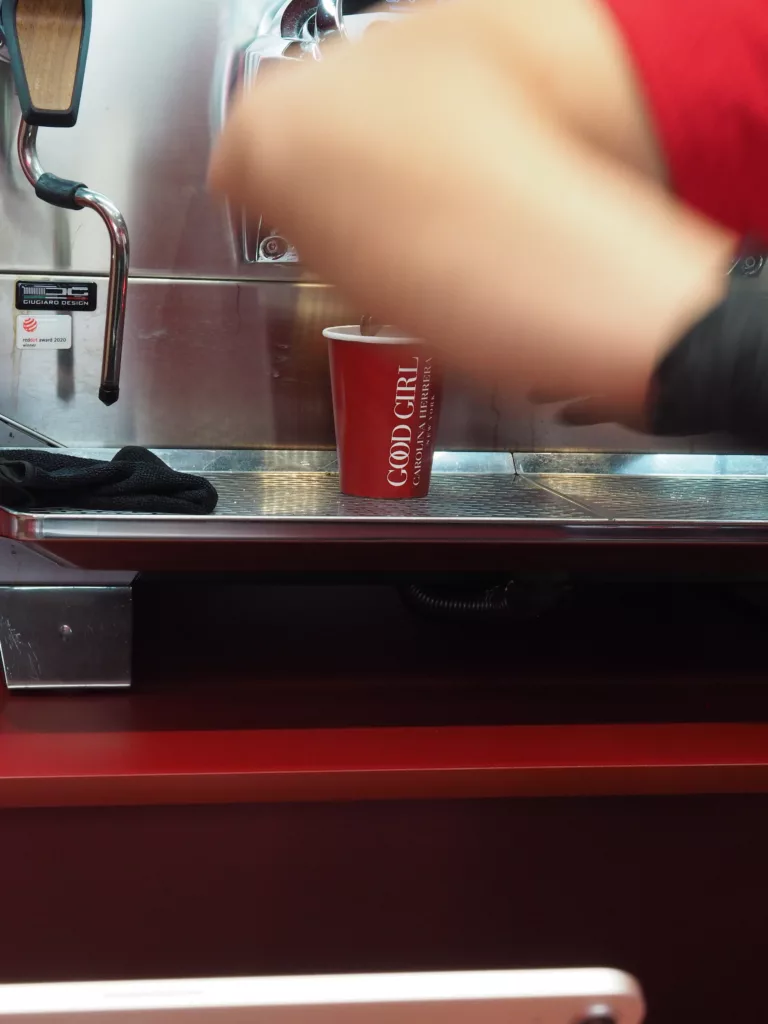
Leaving empty-handed. Carolina Herrera’s Good Girl Coffee Shop was beautiful and very on-brand. A sample was technically possible — but only if you won a game. For most, it ended with a €6 coffee and nothing to take away. Without a physical reminder, there is no post-visit connection to the product.
The aesthetic must be coherent. A pop-up that feels disconnected from the brand’s visual identity is simply confusing. Every detail — the scent in the air, the playlist, the colour of the tissue paper — communicates something. The best ones leave you feeling as if you briefly lived inside the brand’s world.
Human expertise matters. Some of the most memorable moments at these pop-ups came from a brief conversation with someone who genuinely knew and loved the product — whether a perfumer, a skin expert, or a well-trained brand ambassador. This is what turns a curious passerby into a loyal customer.
Activities without a purpose. Some brands fill their space with games or challenges that seem designed to tick a box rather than create a real experience. When a visitor cannot understand why they are being asked to participate, it creates confusion instead of connection. Every element should answer one question: does this bring the visitor closer to the brand’s world?
Beyond the transaction: the future of brand loyalty
In an era where attention is the scarcest resource, the pop-up offers something radical: a reason to slow down and engage with all the senses. The brands winning this game aren’t just distributing miniatures; they are cultivating a sense of belonging and creating memories.
The space is temporary. But the loyalty it builds is permanent. Next time you see a line forming at a concept store corner, step inside. You might enter for the sample, but you’ll leave as a lifelong fan.