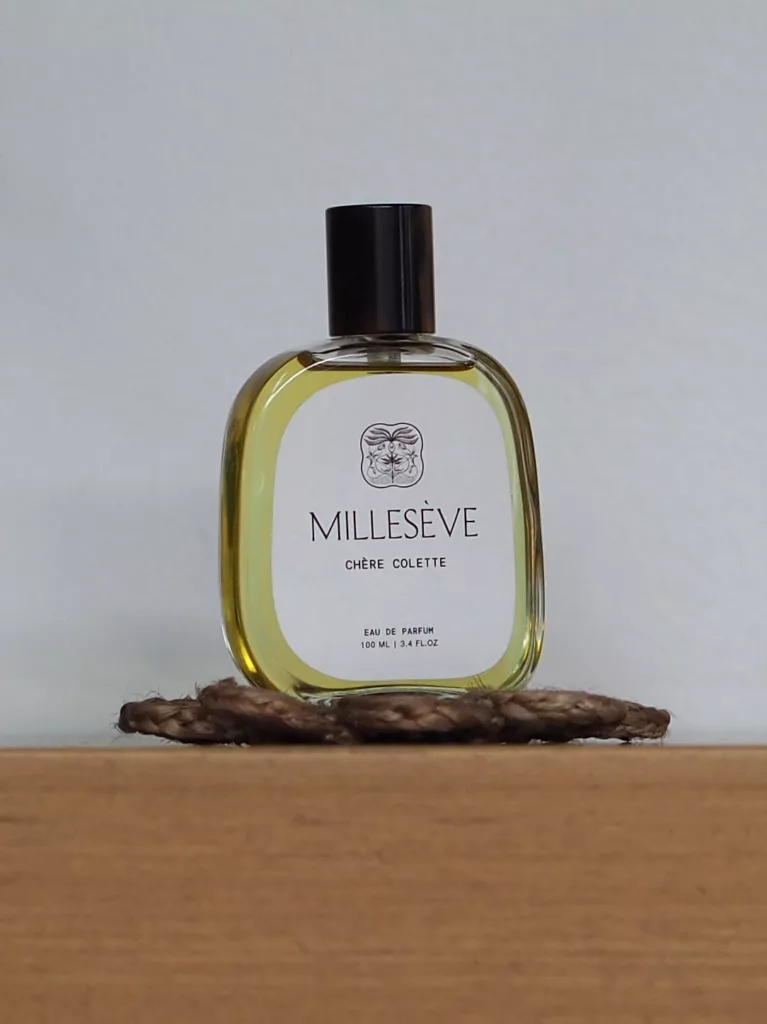
There are fragrances that smell like an idea. And then there are fragrances that smell like a place you actually know — or one you wish you had been to. Millesève belongs to the second category.
Founded by Camille Hauguel, Millesève perfume was born out of a simple desire: to return to the roots. To rediscover memories of a childhood spent in Normandy. The salty wind, the pebbles on the beach, the smell of damp earth after rain, an apple bitten straight from the tree. Not concepts. Not mood boards. Actual memories — and the desire to turn them into something you can wear.

The collection
Created in Paris with perfumer Marie Schnirer and manufactured in Grasse, the first collection comprises four fragrances — each one a specific memory, each one a place.
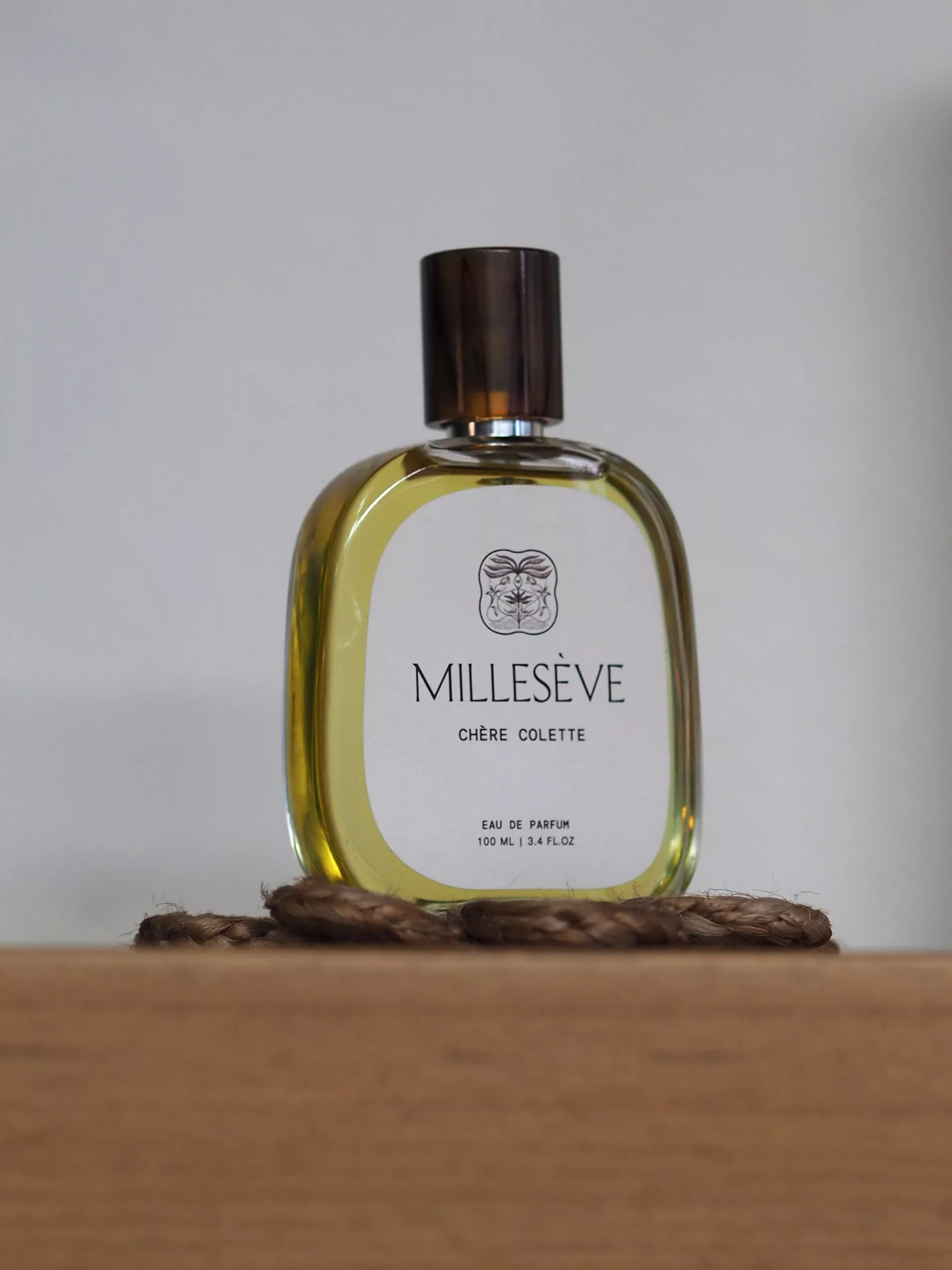
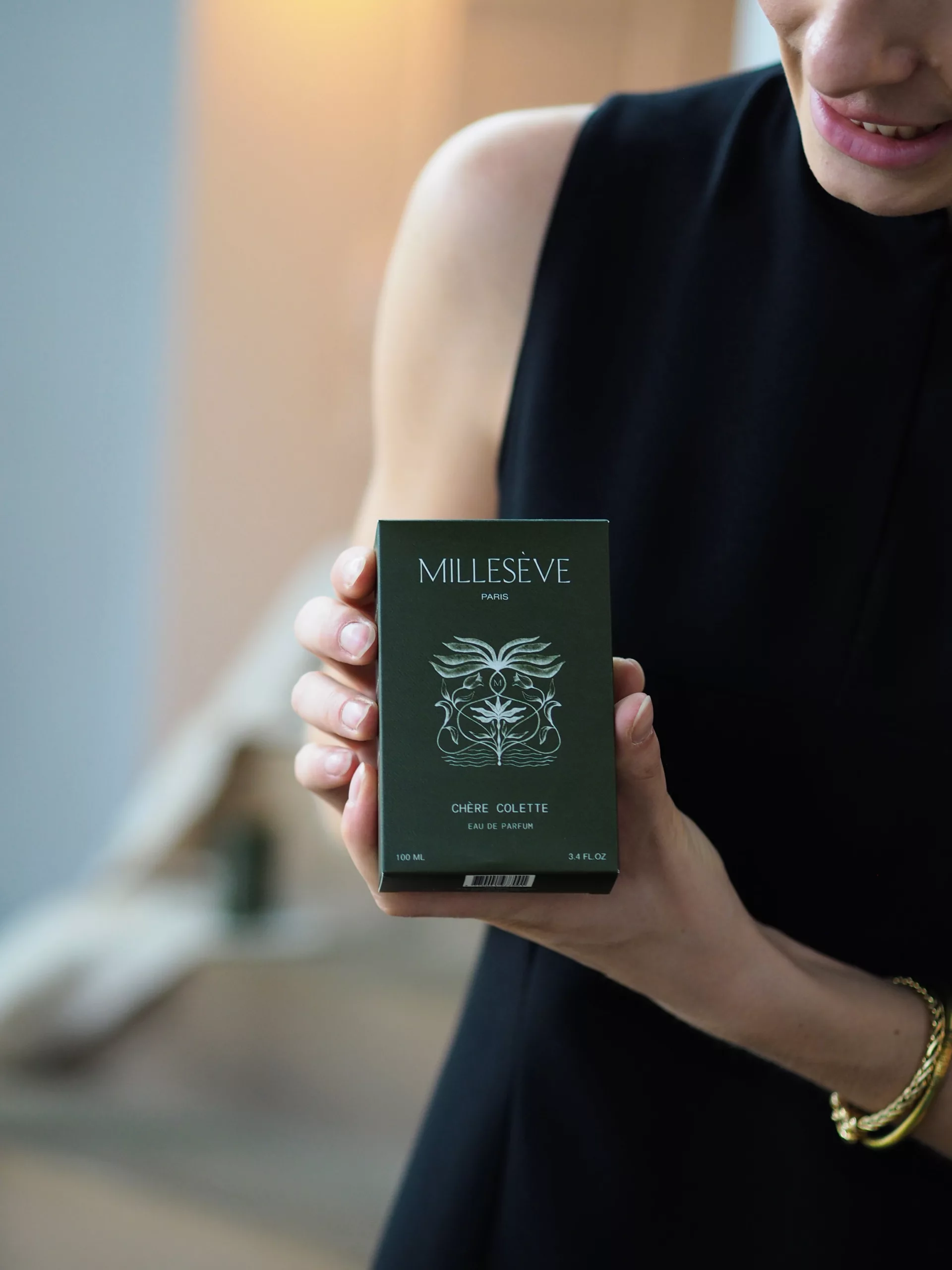
Chère Colette — linden blossom, apple, almond, jasmine, dried hay. An ode to the Norman countryside, warm with a soft gourmand quality.
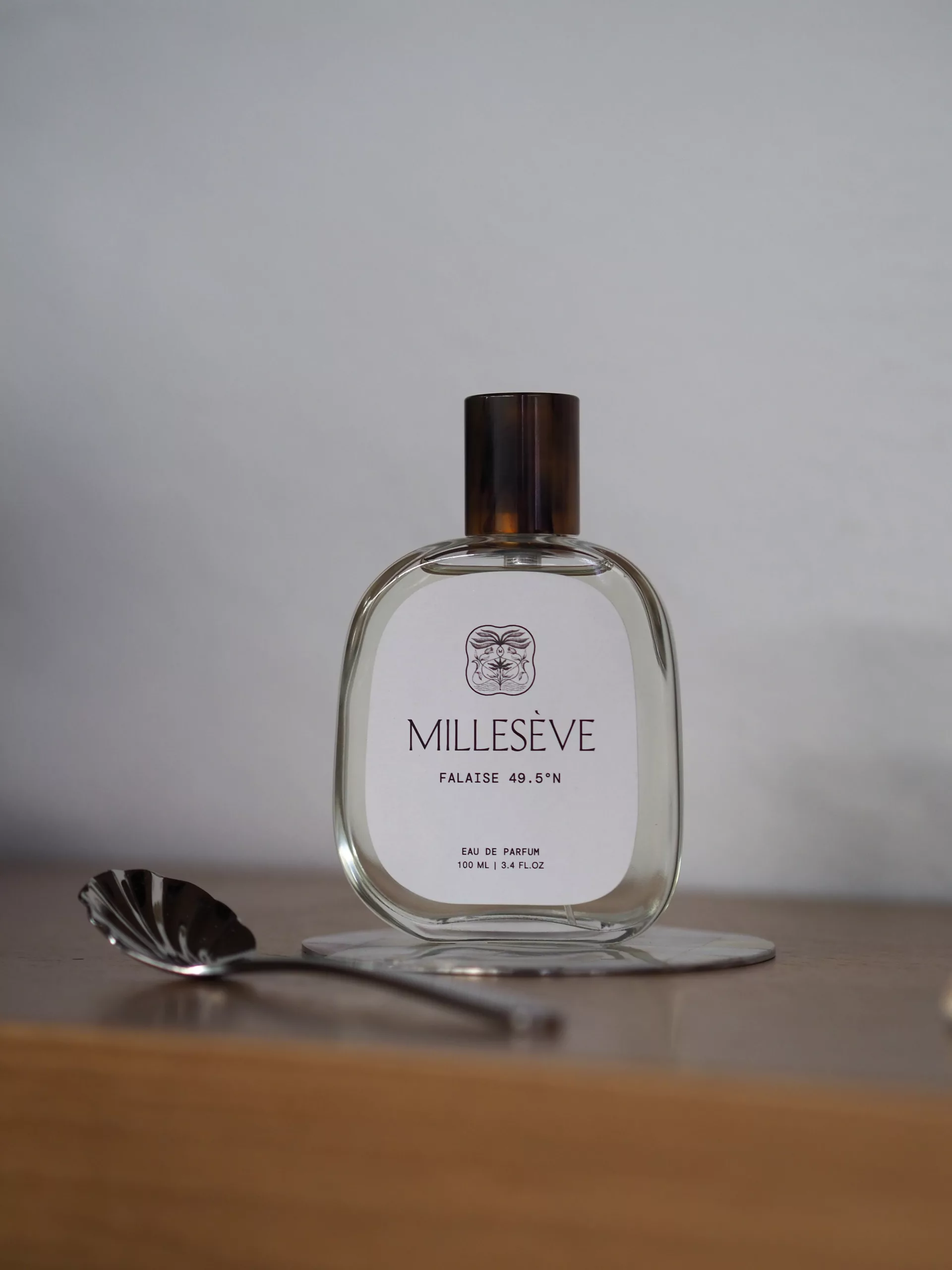
Falaise 49.5°N — sea spray, pebbles, musk. The coordinates of the Normandy cliffs. Skin-close and tender, with a barely-there salty whisper.
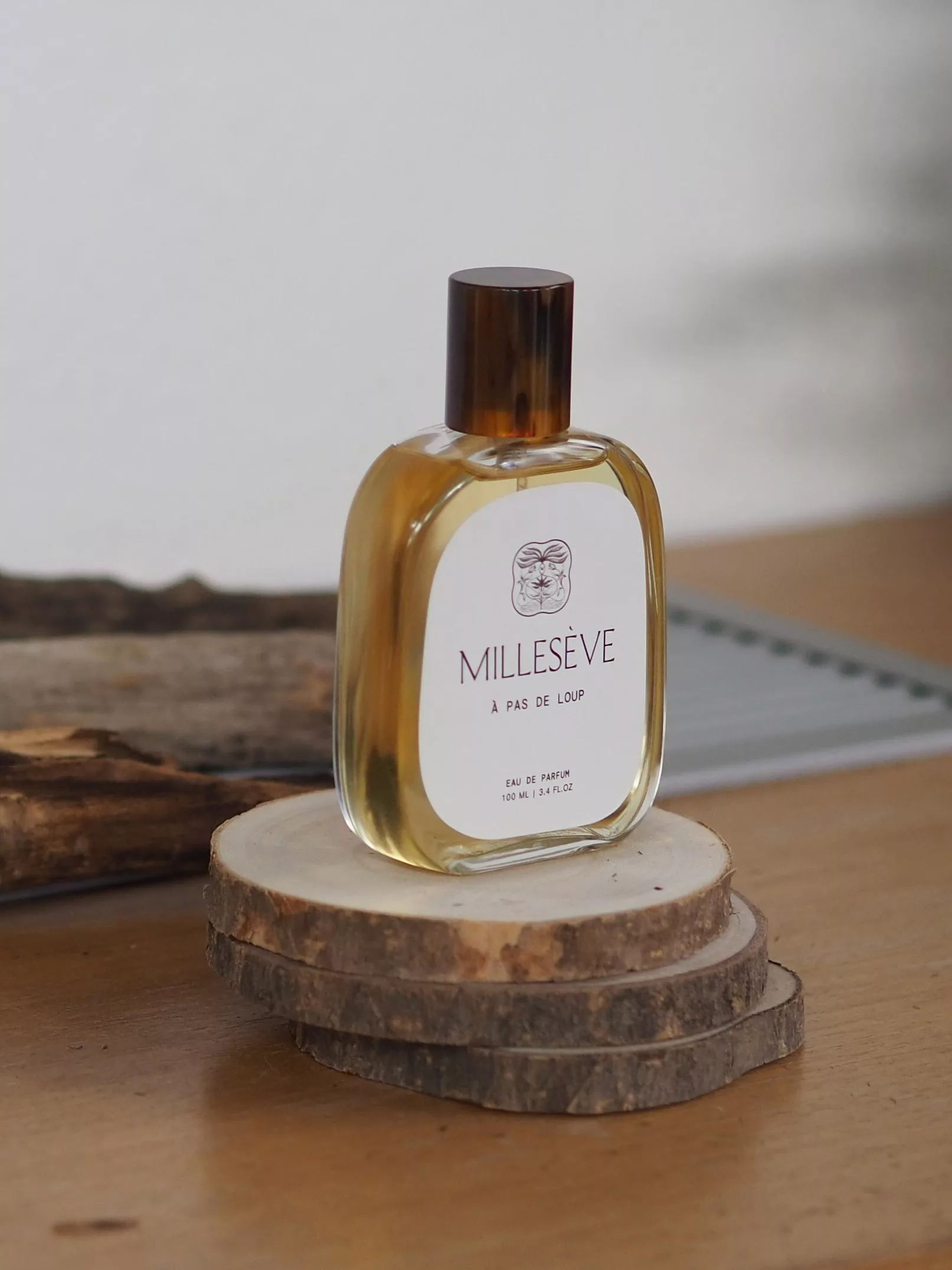
À Pas de Loup — earth, fruit, herbs in joyful disorder. The green sap.
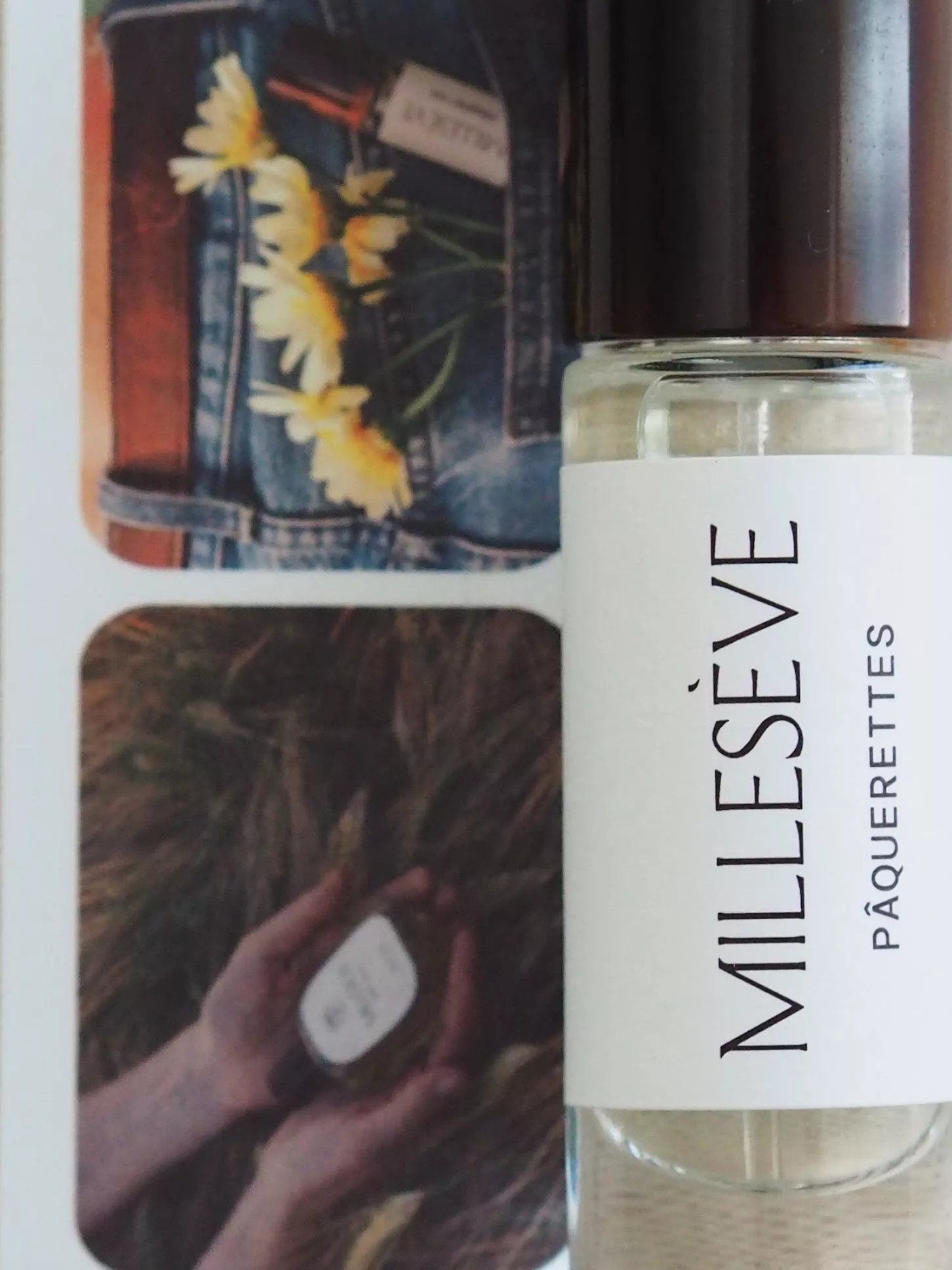
Pâquerettes — green bean, mirabelle, tomato vine, watermelon, rose, iris. A sunlit family garden. Strange, alive, genuinely unexpected.
The bottle design
Before you smell anything, the object stops you. The bottle was designed in the shape of a Normandy pebble — the kind you find on the beaches of the region, smooth and heavy in your hand, the kind Camille herself describes slipping into her pockets as a child. Rounded, tactile, with a weight that feels considered rather than accidental.
Available at milleseve.com
In a market saturated with concept-driven niche brands, Millesève does something rarer: it starts with something real. A childhood, a landscape, a handful of pebbles. And turns it into something you can carry with you. It is the same principle that makes certain objects and places unforgettable — the ones that could only have come from exactly where they did. We explored a similar idea in our piece on César Manrique's houses in Lanzarote — where volcanic rock and wind became the primary materials of design, not decoration.