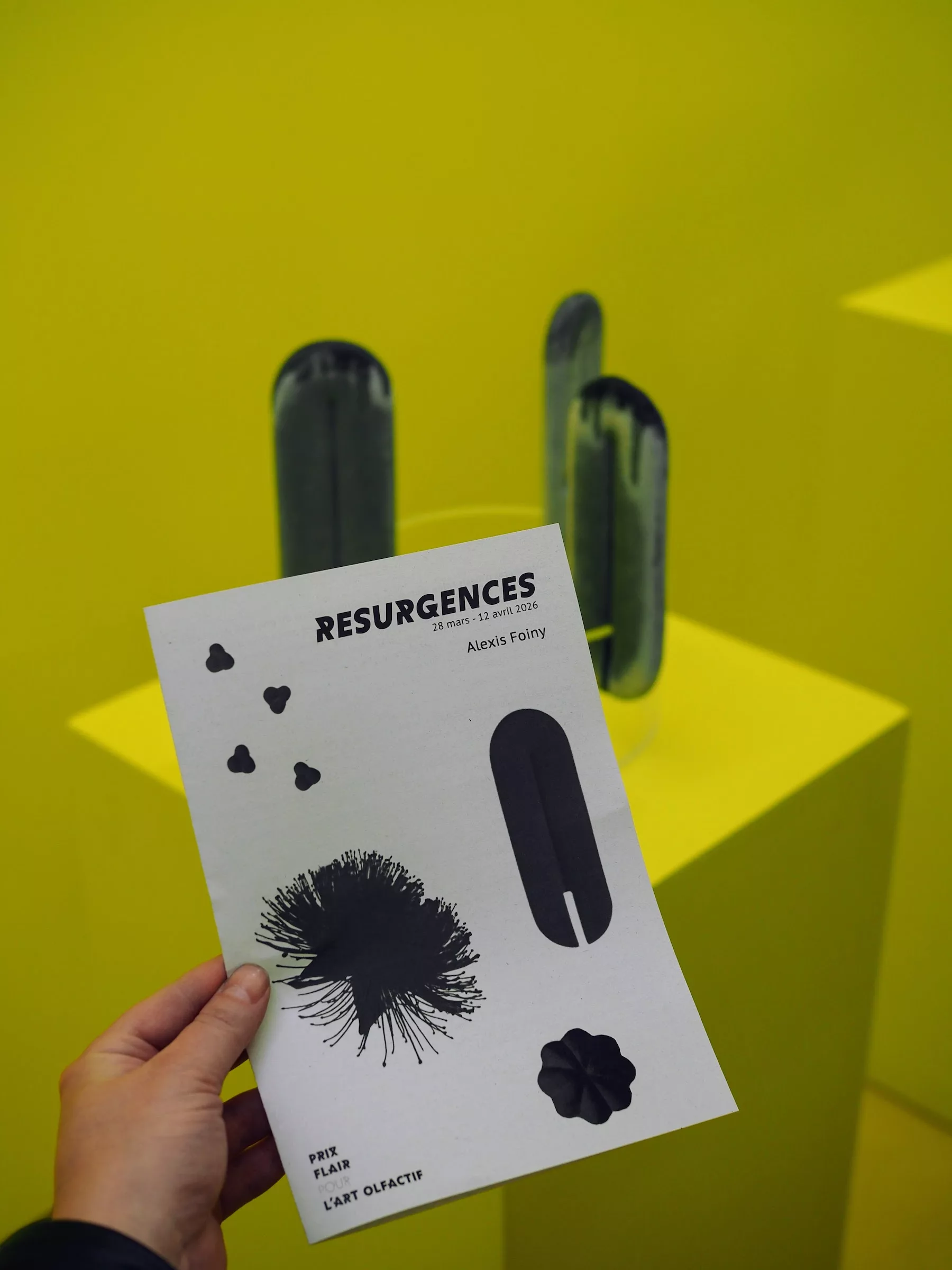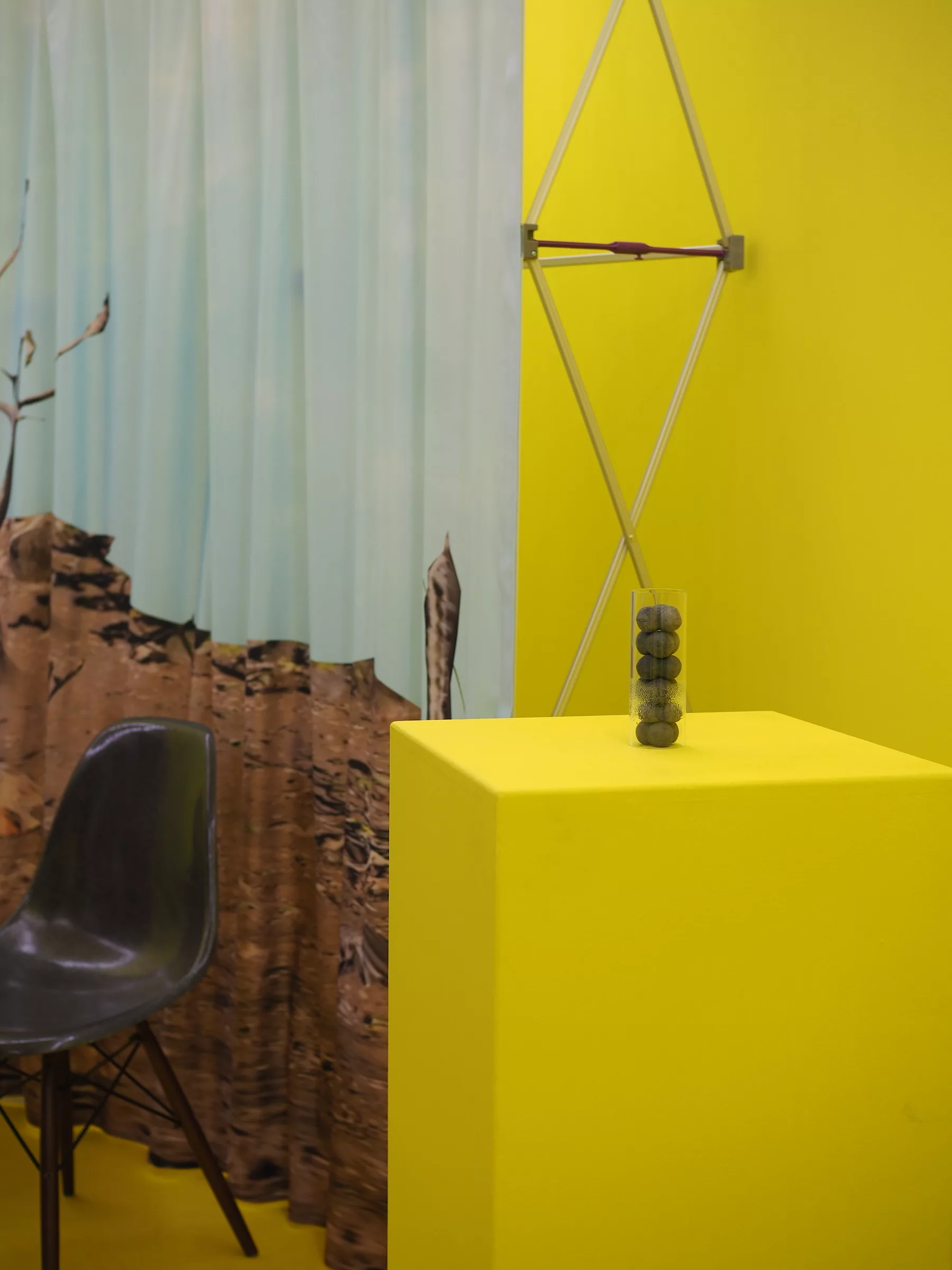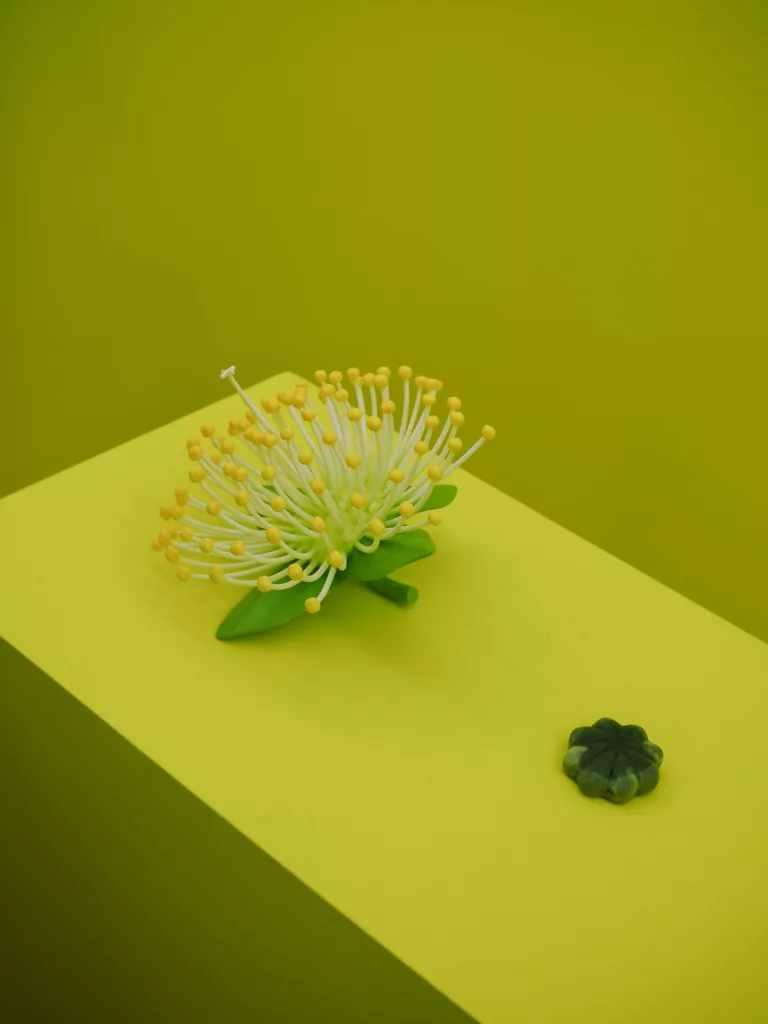
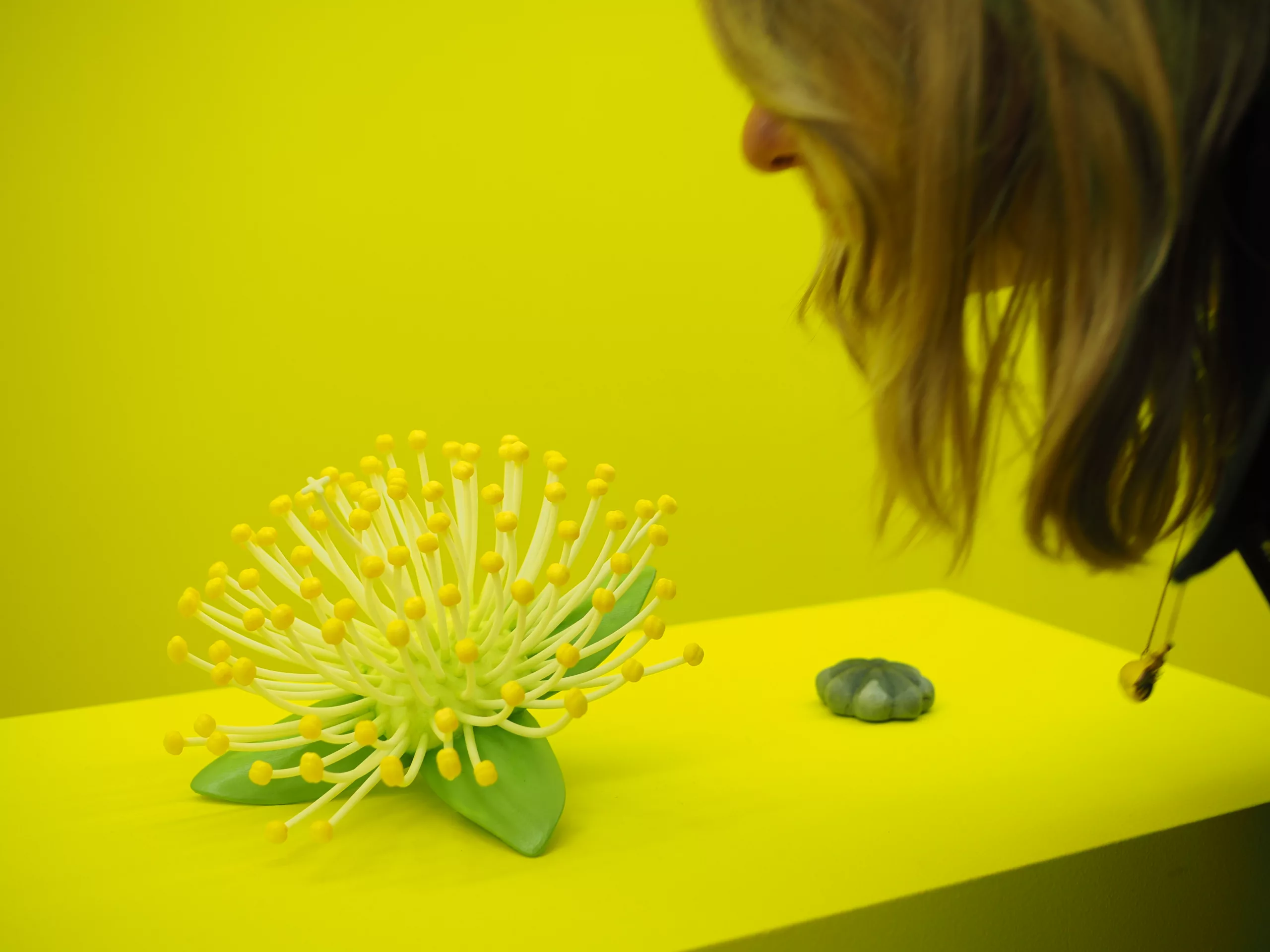
These are complex concepts to hold in a traditional gallery space. Yet, Resurgences—the latest olfactory art installation by artist and designer Alexis Foiny—makes them feel necessary. As the laureate of the third Prix Flair for olfactory art, Foiny challenges the audience to confront the ephemeral nature of our environment. The work was a standout feature of the recent Paris Perfume Week 2026, where the intersection of scent and art took center stage across the city.
The scent of solastalgia
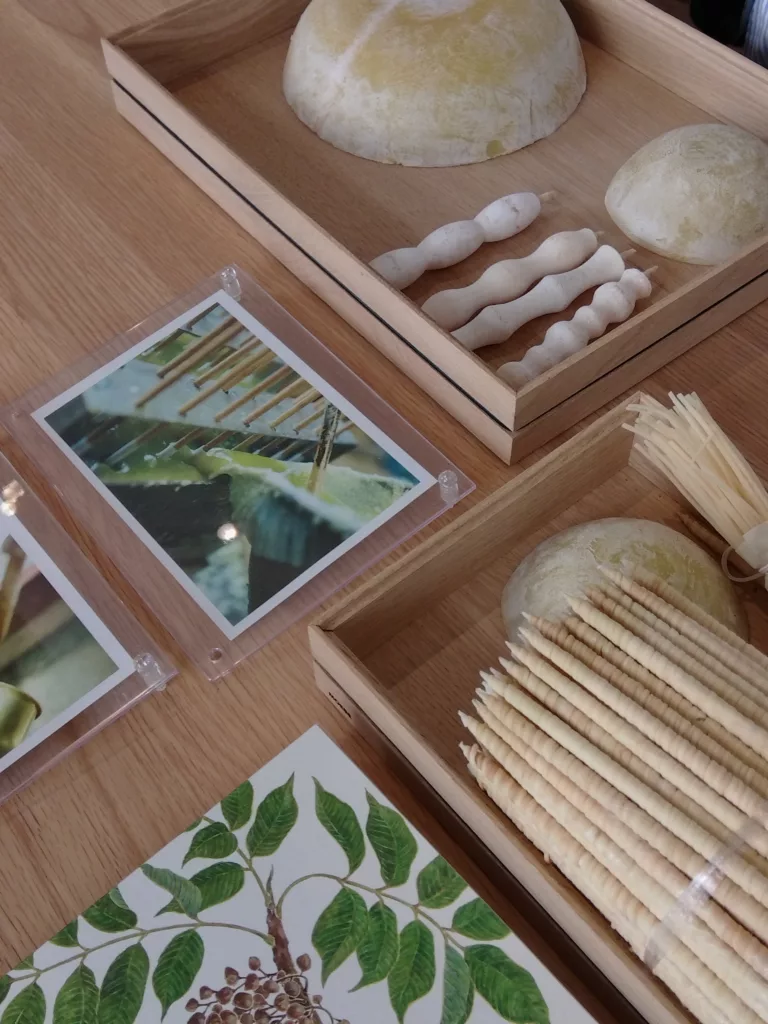
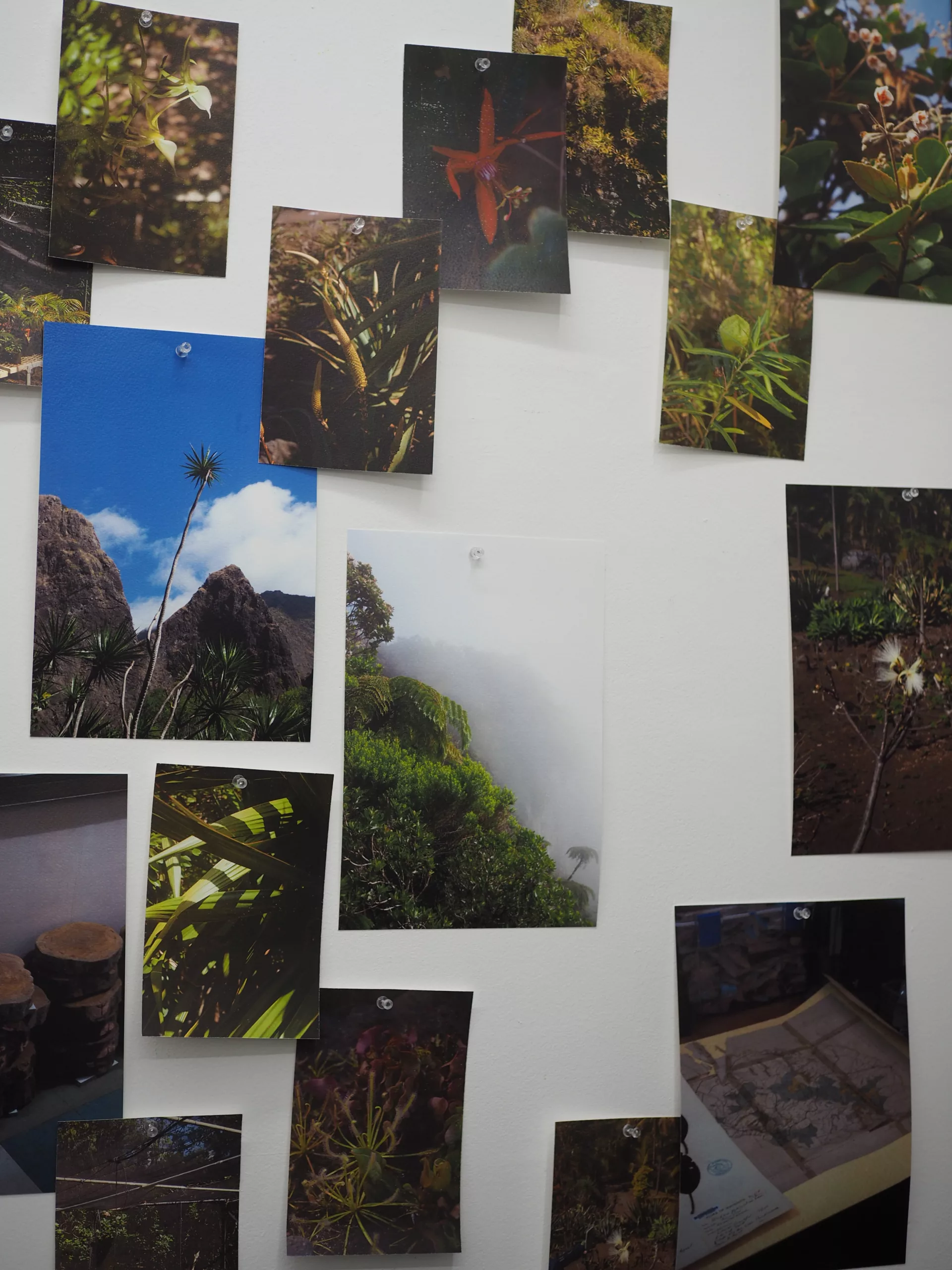
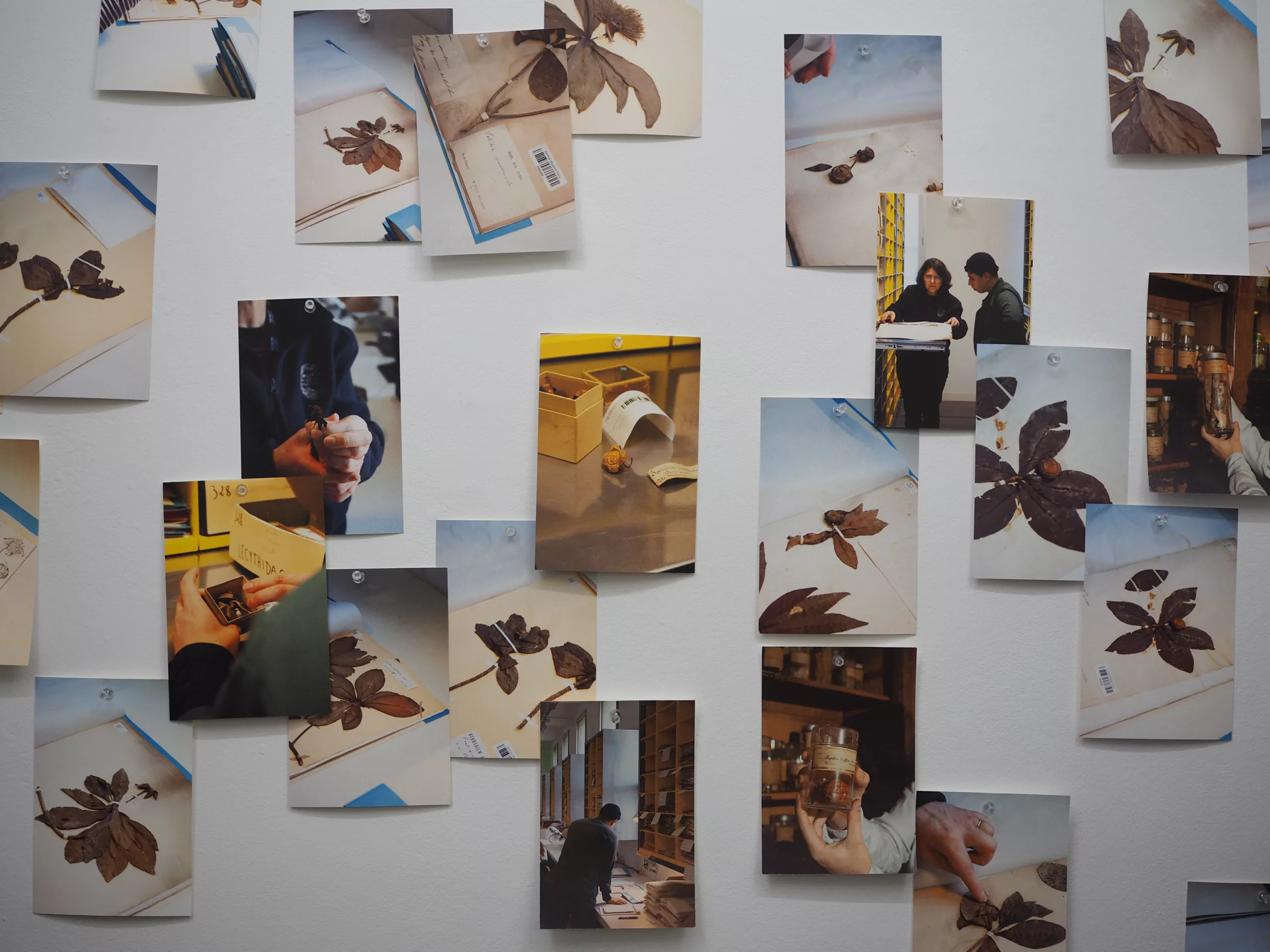
The work centers around a single plant: Foetidia mauritiana, or Bois puant. This tree, endemic to Mauritius and Réunion, is now critically endangered. In Foiny’s installation, the odor of this plant becomes a sensory archive of vanishing ecosystems. To smell it is to encounter what urbanization and habitat fragmentation have begun to erase. Alexis Foiny defines this through solastalgia—the specific grief of witnessing environmental loss in one’s home. While often explored through data, the artist proves that the most direct path to ecological empathy is through the nose.
Olfaction in the museum space
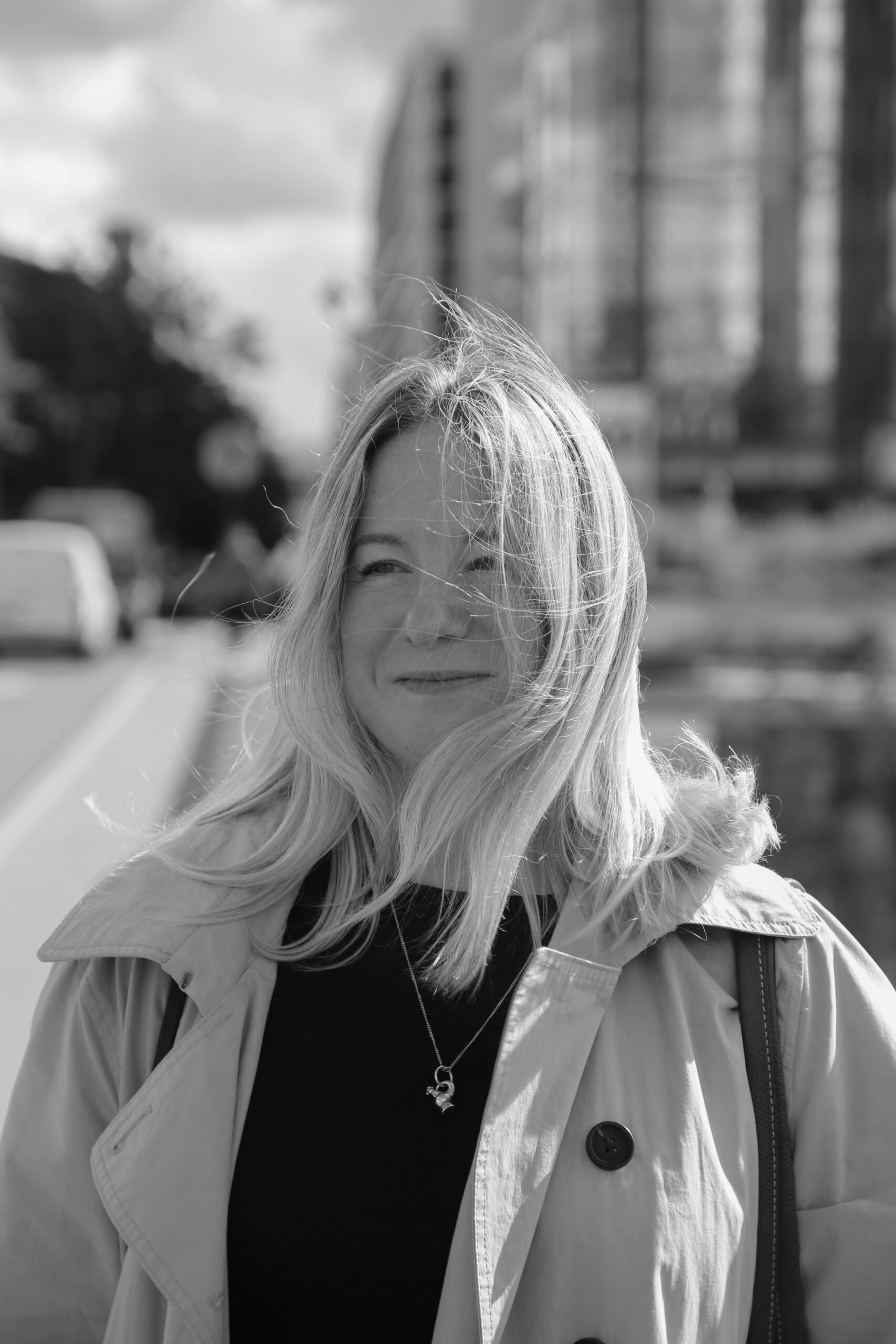
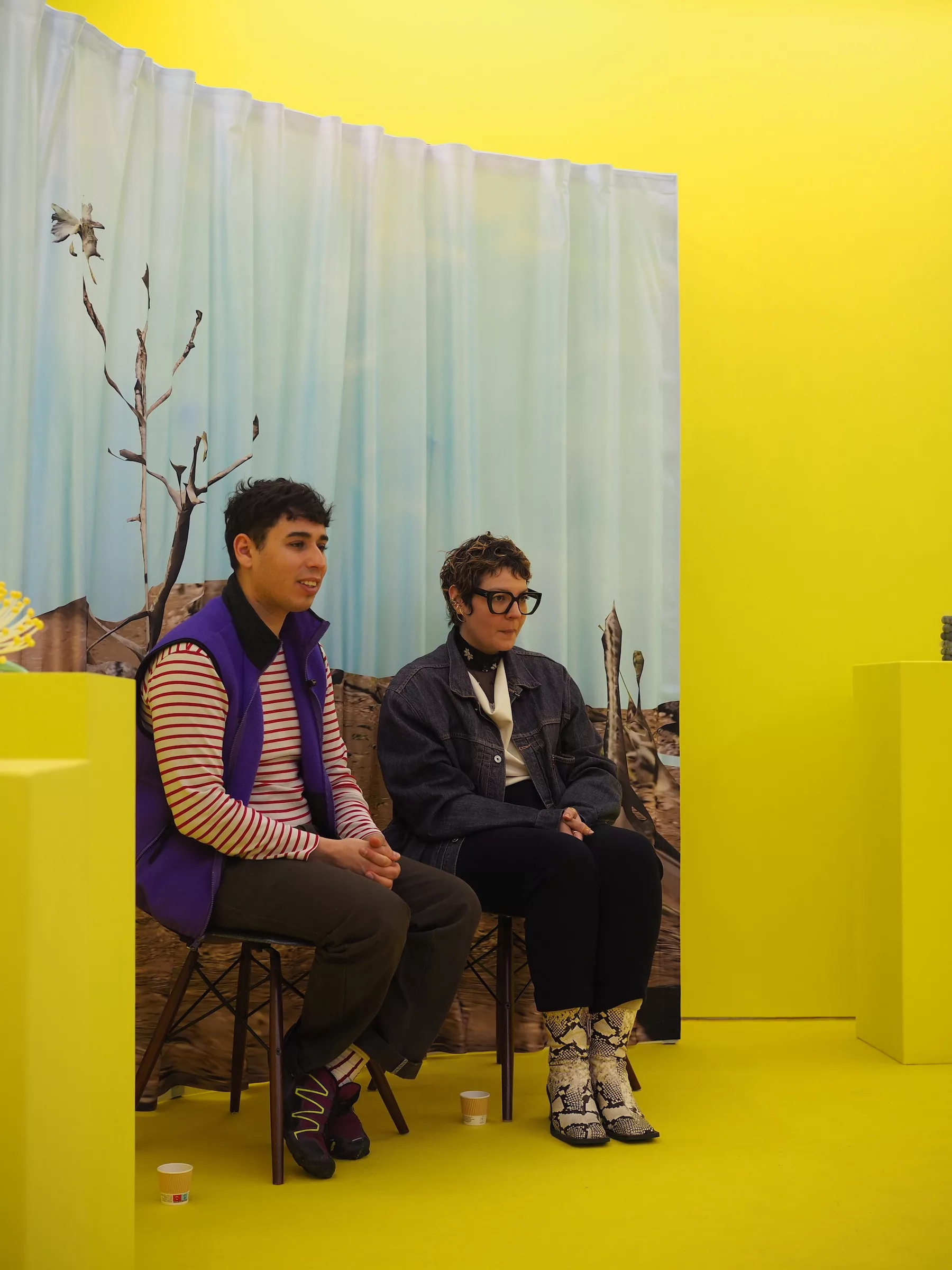
The closing event at Galerie Derouillon in Paris brought an additional layer: a conversation between Alexis Foiny and Sandra Barré on the challenges of olfaction in museum spaces. It is a question the art world has barely begun to answer. How do you preserve a scent over time? How do you exhibit something that is, by nature, invisible and ephemeral? How do you ask an audience to truly smell — to slow down, to pay attention with a sense they rarely use consciously — in institutions built entirely around sight?
The future of scent culture
What the conversation made clear is that the challenge is not only technical but cultural. Museums are not built for smell. The language of perfumery and olfaction is often borrowed from other disciplines. And yet, as Foiny's work demonstrates, olfaction may be the most direct path to a certain kind of understanding — one that bypasses analysis and reaches something more instinctive, more visceral, more true.
Being in that room, surrounded by an installation that asked you to think through your nose, felt like exactly the kind of conversation contemporary art should be having — and rarely does.